Why LDAR and Optical Gas Imaging Surveys Are Essential for Biogas & Biomethane Plants
As the UK biogas and biomethane sector continues to expand, operators are facing increasing pressure to reduce methane emissions, improve operational efficiency, and demonstrate environmental compliance. At Aardvark Certification, we are proud to introduce our new LDAR (Leak Detection and Repair) and Optical Gas Imaging (OGI) survey service using advanced FLIR G-Series cooled thermal imaging cameras designed specifically for methane and hydrocarbon gas detection.
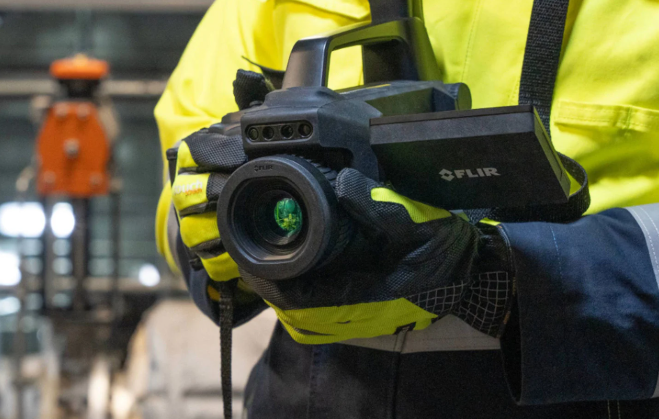
Our specialist LDAR inspections help plant operators identify fugitive methane emissions quickly, safely, and efficiently — supporting both regulatory compliance and improved commercial performance.
What Is LDAR and Optical Gas Imaging?
LDAR (Leak Detection and Repair) is a systematic process used to detect, document, and support the repair of gas leaks from plant equipment and infrastructure. Using highly sensitive FLIR Optical Gas Imaging cameras, methane and other hydrocarbon gases become visible in real time, allowing leaks to be identified without shutting down operations.
Unlike traditional inspection methods, OGI technology enables rapid scanning of large areas including:
Digesters
Upgrading systems
Compressors
Pipework and valves
Flanges and connectors
Pressure relief devices
Flare systems
Biomethane injection infrastructure
Our inspections are carried out by experienced and certified thermologists with extensive knowledge of the biomethane and anaerobic digestion sector, ensuring surveys are both technically accurate and operationally practical.
Why Are LDAR Surveys Important for UK Biogas Plants?
Regulatory and Environmental Compliance
Methane is a potent greenhouse gas with a global warming potential significantly higher than carbon dioxide. As a result, methane emissions are under increasing scrutiny from regulators, investors, insurers, and environmental stakeholders.
UK biogas operators are increasingly expected to demonstrate effective management of fugitive emissions as part of:
Environmental permit compliance
ESG reporting requirements
Net Zero and sustainability commitments
Investor and stakeholder expectations
Operational environmental management systems
The wider gas industry is already seeing increasing adoption of formal LDAR programmes, and similar expectations are emerging rapidly within the biomethane sector. Proactive emissions monitoring can help operators demonstrate due diligence and responsible environmental management while preparing for future tightening of methane regulations.
Operational Benefits and Cost Savings
Beyond compliance, undetected methane leaks represent lost product, reduced efficiency, and unnecessary operational costs. Even relatively small leaks can accumulate into significant financial losses over time.
LDAR surveys provide operators with the ability to:
Reduce product loss and maximise gas yield
Improve plant efficiency
Reduce odour complaints and community concerns
Improve equipment reliability
Identify failing components before larger failures occur
Support preventative maintenance strategies
Enhance site safety by identifying hazardous leaks
In many cases, the cost of an LDAR survey can be offset through recovered gas savings and improved operational performance alone.
Advanced Detection Technology
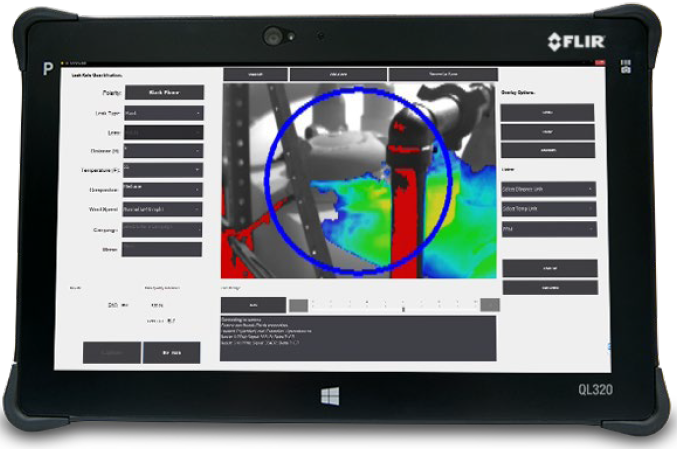
At Aardvark Certification, we utilise the latest FLIR G-Series cooled Optical Gas Imaging cameras, providing highly sensitive methane detection capability suitable for complex gas infrastructure environments. Our inspections are further supported by:
FLIR quantification software
VOC sniffing technologies
Detailed visual reporting
Leak prioritisation and recommendations
Independent inspection expertise
This combination of advanced equipment and sector-specific experience enables us to provide high-quality, reliable, and independent emissions inspections tailored specifically to the biomethane industry.
Supporting a More Sustainable Biomethane Industry
The UK biomethane sector plays a critical role in the transition toward lower-carbon energy systems. Effective methane management is essential to ensuring the environmental credibility and long-term sustainability of renewable gas production.
In addition to leak detection, modern Optical Gas Imaging (OGI) technology is becoming increasingly important for methane emissions quantification and regulatory compliance. Using advanced FLIR quantification software alongside OGI surveys enables operators to better assess the scale and significance of fugitive methane emissions across their facilities. This data can support emissions monitoring, reporting, and verification requirements as the renewable gas industry moves toward stricter carbon intensity and sustainability standards. Emerging regulatory frameworks, including the Renewable Energy Directive (RED III/“RED 4” discussions and future revisions), are expected to place increasing emphasis on methane emissions management throughout the biomethane supply chain. By implementing proactive LDAR and quantified OGI inspection programmes, operators can demonstrate environmental responsibility, improve emissions transparency, support sustainability certification requirements, and position themselves ahead of evolving UK and European methane reduction regulations.
By implementing proactive LDAR and OGI inspection programmes, operators can reduce emissions, improve profitability, and demonstrate leadership in environmental stewardship.
Speak to Our Team
Whether you operate a single anaerobic digestion plant or a multi-site biomethane portfolio, Aardvark Certification can support your emissions management strategy with professional LDAR and OGI inspection services across the UK and Europe.
To learn more about our methane leak detection services or arrange a survey, contact our team today.